5–7 June 2026
Kanazawa Hyakumangoku Matsuri
Kanazawa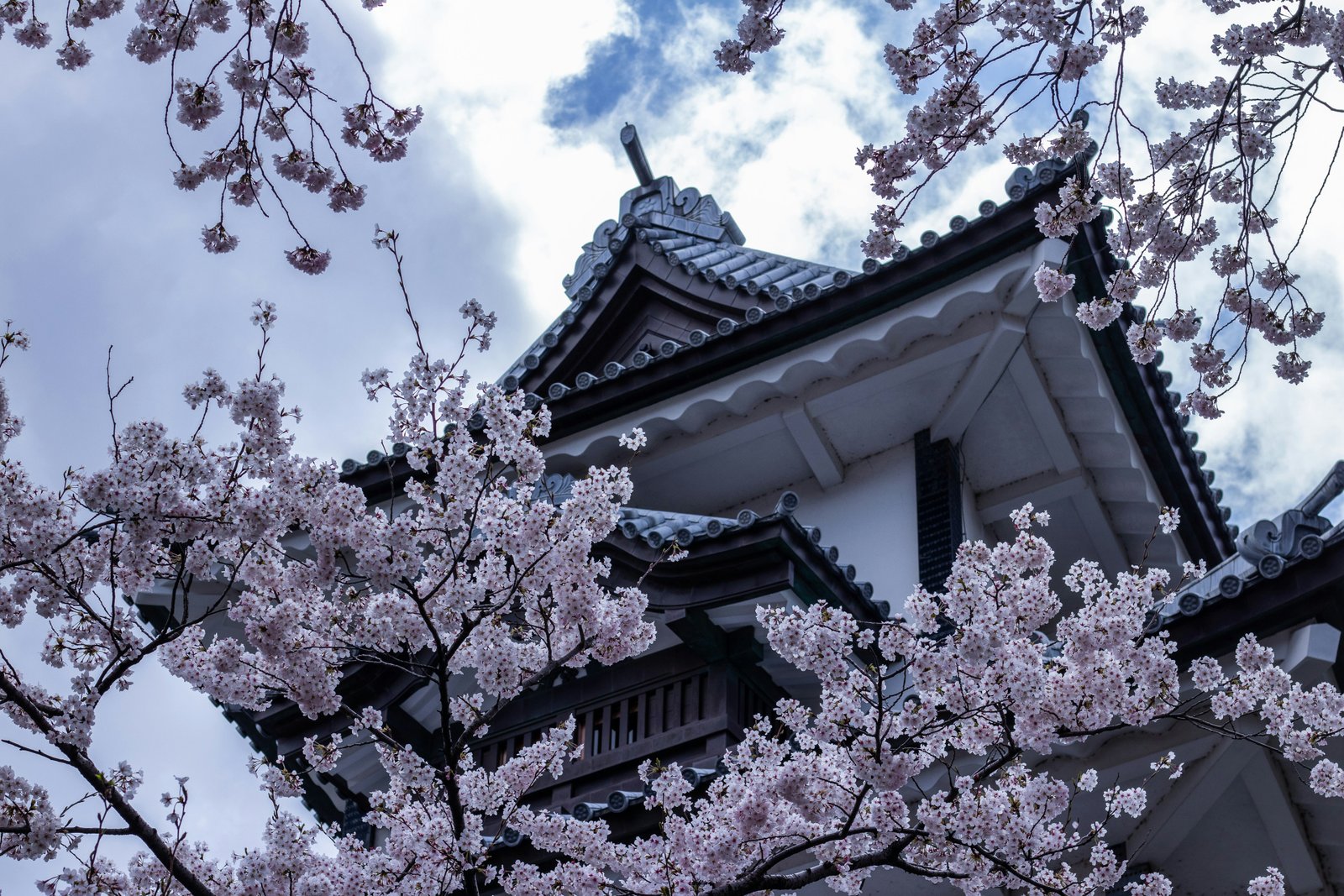
Kanazawa Hyakumangoku Matsuri 2026, 5–7 June. Three-day festival headlined by a parade of costumed warriors through central Kanazawa. Free to watch.
Event details
- Date
- 5–7 June 2026
- Location
- Kanazawa
The Kanazawa Hyakumangoku Matsuri is the city’s largest festival, held every year in the first weekend of June. The name refers to the productivity of the Kaga domain: hyakumangoku (one million koku of rice per year), which under the Maeda clan made it the wealthiest domain in Japan outside the Tokugawa shogunate itself. The festival commemorates the entry of Lord Maeda Toshiie into Kanazawa Castle on 14 June 1583, an event that marked the beginning of more than two centuries of Maeda rule and the cultural flowering that made Kanazawa one of Japan’s most refined cities.
The Festival Structure
The three-day festival runs from Friday evening to Sunday and mixes traditional ceremonial elements with contemporary performances. The central event is the Hyakumangoku Gyoretsu, a costumed procession held on the Saturday (6 June in 2026), when approximately 2,000 participants in Edo-period costume walk through central Kanazawa. The procession includes samurai retainers, court musicians, and figures representing the Maeda clan’s retinue, walking the route Lord Maeda himself would have taken toward Kanazawa Castle.
In addition to the main procession, the festival programme typically includes traditional Noh theatre (Kanazawa has one of Japan’s strongest Noh traditions, supported by the Maeda clan over centuries), traditional music performances, dance, and craft exhibitions.
Viewing the Procession
The procession passes through the main streets of central Kanazawa, including Hyakumangoku-dori. Viewing is free along the entire route. The best positions are at the start of the procession near Kanazawa Station or along the central stretch toward Kenroku-en. Arrive at least an hour before the procession begins to secure a good position; the central streets become very crowded on procession day.
Entry and Costs
Viewing the Hyakumangoku Gyoretsu procession is free along the entire route. The Noh performances and some indoor events during the three-day festival may have separate ticketing; check the Kanazawa City cultural programme website closer to the festival dates. Kenroku-en garden, which many visitors combine with the festival, charges approximately JPY 320 entry as of 2026 and is within walking distance of the procession route.
Best Time to Arrive
The Hyakumangoku Gyoretsu procession on 6 June typically departs from Kanazawa Station in the early afternoon (around 1pm). Prime viewing positions along the central stretch of Hyakumangoku-dori fill from about 11am. Arriving at the station end of the route by midday gives enough time to find a good position without standing for too long. The procession moves slowly and takes two to three hours to pass any given point; later arrivals can still catch the rear of the procession by positioning mid-route.
Getting to Kanazawa
Kanazawa is connected to Tokyo by the Hokuriku Shinkansen (approximately 2.5 hours); standard reserved fares start at around JPY 14,380 from Tokyo Station as of 2026. From Osaka and Kyoto, Kanazawa is accessible by Thunderbird express from Shin-Osaka (approximately 2 hours 15 minutes) with fares from around JPY 7,460. The Kanazawa Station area, with its striking Tsuzumi-mon gate, is a short walk from the festival procession route. Accommodation in central Kanazawa books up for festival weekend; plan at least two to three months in advance. The city is worth two to three nights regardless of festival attendance, combining Kenroku-en garden, the Higashi Chaya geisha district, and the 21st Century Museum of Contemporary Art. See our Kanazawa guide for full recommendations.
Book an experience
Book tours for Kanazawa Hyakumangoku Matsuri
Guided experiences with free cancellation on most bookings
Planning a visit to Kanazawa?
See our full Kanazawa travel guide