2–3 November 2026
Ohara Matsuri
Kagoshima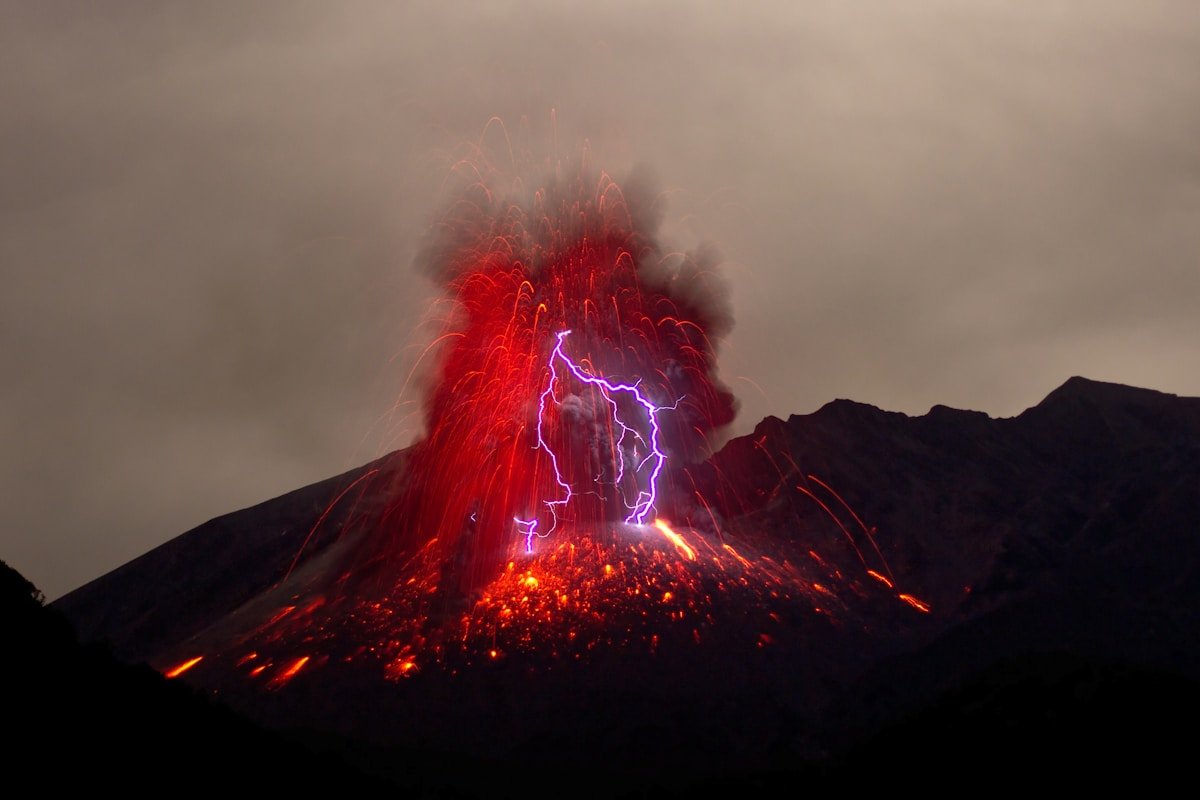
Ohara Matsuri 2026, 2–3 Nov. Twenty thousand in yukata perform Ohara-bushi and Iso Ondori dances along Kagoshima's main street. Free to watch.
Event details
- Date
- 2–3 November 2026
- Location
- Kagoshima
Ohara Matsuri is Kagoshima’s largest street festival, held on 2 and 3 November each year along Kagoshima’s main central street. Around 20,000 participants in yukata and traditional costume parade the length of the street performing two Kagoshima folk dances: the Ohara-bushi, a stately dance with origins in a traditional love song, and the Iso Ondori, a livelier dance associated with the Sengan-en garden estate of the Shimadzu clan. The combination of colourful costume, live folk music, and the active participation of such a large number of performers makes this the standout street festival in Kyushu.
The Parade
The parade begins in the early afternoon on both 2 and 3 November and takes approximately four hours to complete its course along the central Izuro-dori and Tenmonkan shopping district. Dance groups range from local schoolchildren and neighbourhood associations to corporate teams, visiting groups from other prefectures, and dedicated folk dance schools. The standard formation has three rows of dancers moving in synchrony to the beat of taiko drums and shamisen played by a live band at the float accompanying each group.
Visitors are welcome to join the parade: a public participation section (ippan sanka) is organised for those who wish to dance. Registration opens online from late September, typically in early October. Yukata are not required but are widely worn; rental shops near Kagoshima Chuo Station offer full sets including accessories.
Entry and Participation Costs
Watching the parade along Izuro-dori and through the Tenmonkan area is free. The ippan sanka (public participation) section for those who want to join the dancing is also free to enter but requires advance registration, which typically opens online in early October via the Kagoshima city festival website. No special costume is required, but yukata rental sets are available from shops near Kagoshima Chuo Station for around JPY 3,000-5,000 including accessories if you want to dress appropriately.
Best Time to Arrive
The parade begins in the early afternoon (typically around 1:30pm on both 2 and 3 November) from the Izuro intersection near the Tenmonkan shopping district. Arriving by 12:30pm allows time to find a position along the route before the lead groups pass. The central Tenmonkan stretch, where the route narrows slightly, offers some of the best viewing; the stage at the southern end of Izuro-dori where groups perform set pieces is worth positioning near if you want to see complete dance sequences rather than the procession in motion.
Kagoshima in November
November is one of the most comfortable times to visit Kagoshima. Temperatures average 18-22 degrees Celsius, the summer humidity has cleared, and the city’s subtropical vegetation is still green. Sakurajima, the active volcano across the bay, is visible on clear days from the Tenmonkan area where the parade takes place. A ferry to Sakurajima runs from the port throughout the day and takes 15 minutes (approximately JPY 200 each way as of 2026), making a same-day combination of the festival and a Sakurajima visit feasible.
Getting There
Kagoshima is served by the Kyushu Shinkansen from Hakata/Fukuoka (approximately 1 hour 20 minutes; fares from around JPY 10,450 as of 2026) and by direct flights from Tokyo (approximately 1.5 hours). Kagoshima Chuo Station is the main hub, with trams connecting to the Tenmonkan area (approximately 5 minutes, JPY 200 flat fare). See our Kagoshima guide for accommodation and restaurant recommendations during the festival dates.
Book an experience
Book tours for Ohara Matsuri
Guided experiences with free cancellation on most bookings
Planning a visit to Kagoshima?
See our full Kagoshima travel guide